Content for global consumption
Music, Videogames, and Anime
As Japan shifted to an economic superpower in the 1980s, it also shifted to a cultural superpower in the realms of animation (anime) and consumer electronics.2 Tokyo had risen as a New York City of the Far East, “leading production as a cosmopolitan city with an affluent younger generation”.3 Japan would go on to build its cultural soft power through the modern video game industry coming from Japan, producing popular Japanese animation such as the works of Studio Ghibli, and exporting music like J-Pop and City Pop. These industries would go on to influence the world as a form of soft power diplomacy. 4
The genre of City Pop music was a product of the 80s as Mariya Takeucuchi releasing her song “Plastic Love” in 1984. A product of the cosmopolitan lifestyle of Tokyo, the song was not a major hit in the United states at the time but during the 2000s would help make city pop more mainstream when the song had over 70 million listens on Youtube.5
Nintendo and Japanese videogame Dominance
Though Semi-conductors were part of Ronald Reagan’s tariff speech as an example of Japanese violation of the trade agreements, the Nintendo company was in full pursuit of the creation of the modern video game industry with the Family Console (Famicon) which became the Nintendo Entertainment System (NES) when exported to America. 6 By 1988, Times magazine reported the “Nintendo” as the number one wish list item. 7 And 35 years later, the Japanese companies Nintendo and Sony continue to dominate the global video game industry, which generated sixty-six billion dollars of the 2023 US Gross Domestic Production.
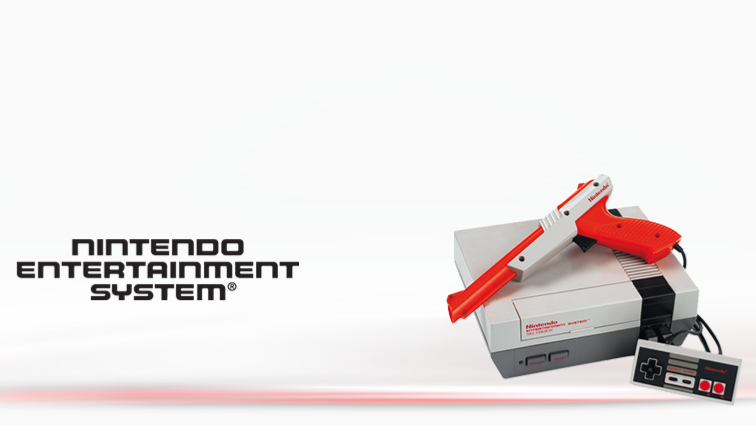
Nintendo Entertainment System.
Anime Cultural Impact in the 80s and Beyond
The 1980s also saw the first westernization of Japanese anime as they were imported to the West. The VHS allowed for easier importing and watching, and by the late 2000s, online streaming would become another means for watching Japanese media directly. Anime, such as Robotech, gave Americans exposure to animated war, using intense battles for action but also showing the human cost of war through 26 episodes.
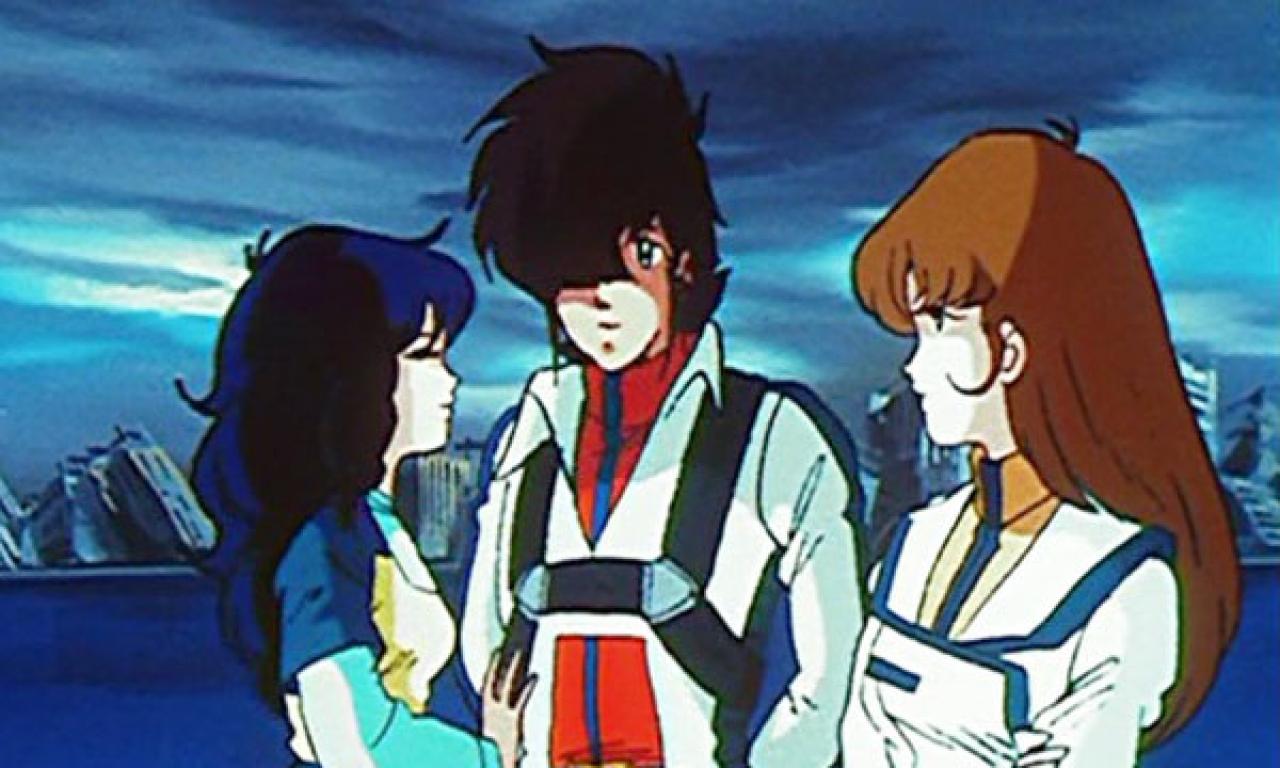
Robotech (1985).
Since 1985, Studio Ghibli has produced some of the most popular anime movies such as Grave of the Fire flies (1988) which portrayed emotionally difficult material like two siblings trying to survive during World War 2. Roger Ebert, in a review of the DVD release in 2000 describes some of the barriers that anime must overcome in the US market:
“Because it is animated and from Japan, “Grave of the Fireflies” has been little seen. When anime fans say how good the film is, nobody takes them seriously. Now that it’s available on DVD with a choice of subtitles or English dubbing, maybe it will find the attention it deserves. Yes, it’s a cartoon, and the kids have eyes like saucers, but it belongs on any list of the greatest war films ever made.” 10
Studio Ghibli has continued to produce movies that are known through the world and provides a way for non-Japanese cultures to experience aspects of Japanese life by providing powerful visuals in anime with distinctive Japanese story telling.
Cashing in on Soft Power?
While Japan’s lasting cultural influence on American culture through video games and Animation is measurable in GDP, William Tsutsui brings up the realist view of how Japan will go about cashing in this cultural soft power in international relationships. 11 Americans can enjoy Japanese animation and play their video games during their leisure time but what percent of them end up going to Japan to work or participate in their culture? Instead of Americans going to Japan, I argue that this goes back to the idea of America being a melting pot who values independence in which Japanese ideas can be assimilated but then expressed with the American flavor of Independence and capitalist driven. America seems willing to take in various Japanese elements when it is in the form of entertainment but incorporation of the Japanese societal elements that built that culture remain excluded, such as the societal hierarchy views and work/family/community aspects.
-
Flikr, N/A, https://www.flickr.com/photos/travfotos/10985408655 ↩
-
Stalker, Nancy K. Japan : History and Culture from Classical to Cool, (Berkeley:University of California Press, 2018),362-363, ProQuest Ebook Central,https://ebookcentral.proquest.com/lib/unm/detail.action?docID=5435806 ↩
-
Uchiyama, Yosuke, Md Nasrudin Md Akhir, Fumitaka Furuoka, Yuanzhu Wang, and Larisa Nikitina. “Cultural Re-Importation through Soft Power and Transnational Cultural Flows Mediated by Digital Influence: The Case of City Pop Music in Japan, Malaysia and Indonesia.” Japan Forum 36, no. 5 (2024): 584–585. https://doi-org.libproxy.unm.edu/10.1080/09555803.2024.2407774. ↩
-
Uchiyama et al, Cultural Re-importation, 582. ↩
-
Uchiyama, Yosuke, Md Nasrudin Md Akhir, Fumitaka Furuoka, Yuanzhu Wang, and Larisa Nikitina. “Cultural Re-Importation through Soft Power and Transnational Cultural Flows Mediated by Digital Influence: The Case of City Pop Music in Japan, Malaysia and Indonesia.” Japan Forum 36, no. 5 (2024): 584–585, https://doi-org.libproxy.unm.edu/10.1080/09555803.2024.2407774. ↩
-
Reagan, Ronald, “Radio Address to the Nation on Free and Fair Trade”, (Camp David, April 25, 1987). ↩
-
“Business Notes TOYS Nintendo Tops The Wish Lists.” TIME Magazine 132, no. 23 (1988): 77. EBSCOhost ↩
-
Stalker, Japan : History and Culture from Classical to Cool, 380. ↩
-
Robotech, created by Carl Macek (Los Angeles: Harmony Gold USA, 1985), television series. ↩
-
Roger Ebert, “Great Movie: Grave of the Fireflies (1988),” RogerEbert.com, July 13, 2001, https://www.rogerebert.com/reviews/great-movie-grave-of-the-fireflies-1988 ↩
-
Tsutsui, William M. Japanese Popular Culture and Globalization / William M. Tsutsui. (Association for Asian Studies, 2010), 71. ↩